
Computers operate on programmable instructions.
Computer Science studies how these instructions are created and executed to solve problems.
Artificial Intelligence takes this further with algorithms that reason, adapt, and autonomously act using available data.
View all topics
RESEARCH AND KNOWLEDGE METHODS

Computer Science and Artificial Intelligence
View all topics
RESEARCH AND KNOWLEDGE METHODS

How Computers See: Part II (Beyond CNNs)
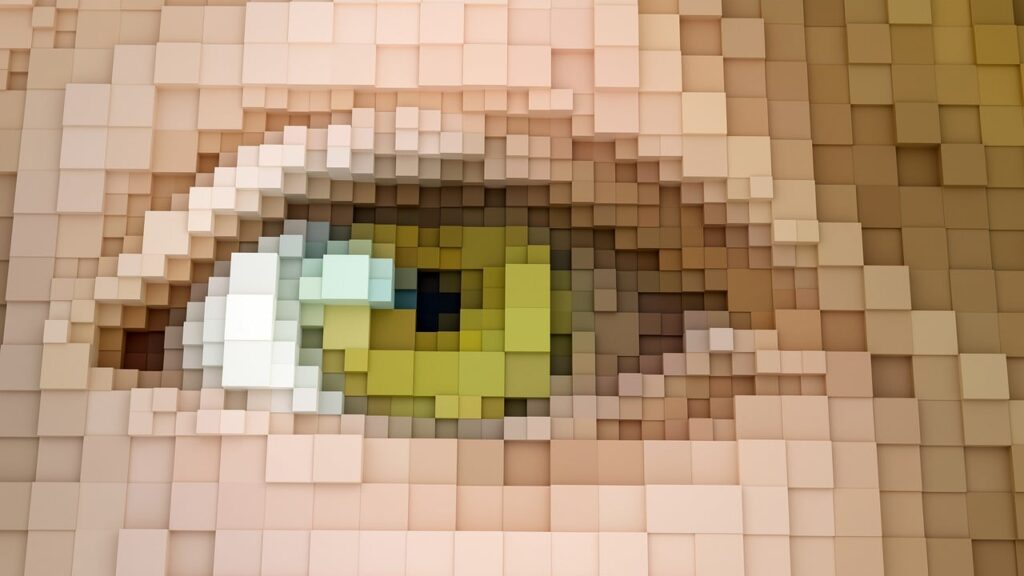
How Computers See: Part I
Contribute to Scientia Brook
Catchup on Our Guidelines
We are excited to have you contribute to our efforts in making science accessible to everyone.
Scientia Brook relies on efforts like yours in providing free and reliable science education for students, educators, and researchers across the world.
Can I contribute or suggest on any topic?
Absolutely. Scientia Brook encourages community participation. Members can propose research papers, trends, or themes they want simplified or explored.
Do I need a technical background to understand the content?
Not at all. Every piece is written and structured for clarity, using relatable examples and intuitive explanations while maintaining scientific accuracy.
How do you choose the papers or innovations you cover?
Selection is based on relevance, novelty, impact, and community interest. Suggestions from members and trending research areas also guide the editorial direction.
Can I use Scientia Brook content for my research or teaching?
You’re welcome to reference or share publicly accessible content with proper attribution. For classroom or workshop use, additional permissions can be provided upon request.